





Essity - Lead Partner in EU Project Developing Bio-Based Superabsorbents from Algae

Essity is behind several well-known brands that improve everyday life for people in around 150 countries. The company is also an active partner in collaborations with universities, authorities, and EU-funded projects focused on developing sustainable products, minimizing resource use, and increasing the use of bio-based materials.
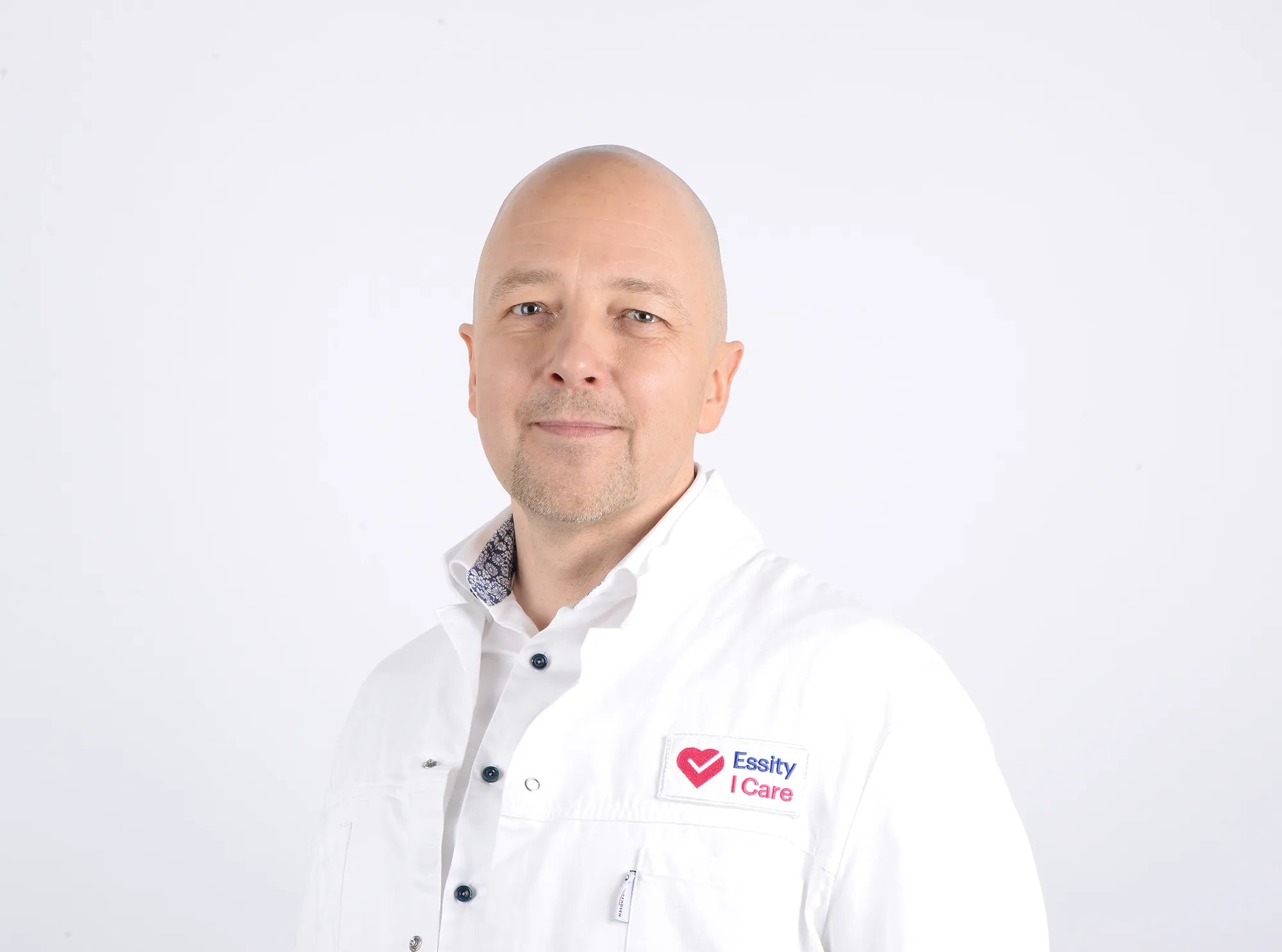
– Essity has clear sustainability targets and is at the forefront in several areas, which led to us being approached in 2024 by the Norwegian pioneer Alginor ASA to participate in a project aimed at developing bio-based superabsorbents from sustainably harvested brown macroalgae, says Morgan Swedberg, Material Development Manager at Essity.

The project, named PROTEUS, short for kelP side stReam valOrisaTion to dEvelop new biobased valUe chainS, is a four-year EU-funded flagship initiative supported by the Circular Bio-based Europe Joint Undertaking.
– The aim of the project is to unlock the full potential of the brown macroalga Laminaria hyperborea, including its use in absorbent hygiene products. The project also includes a partner focused on food additives for human consumption and another partner developing animal feed.
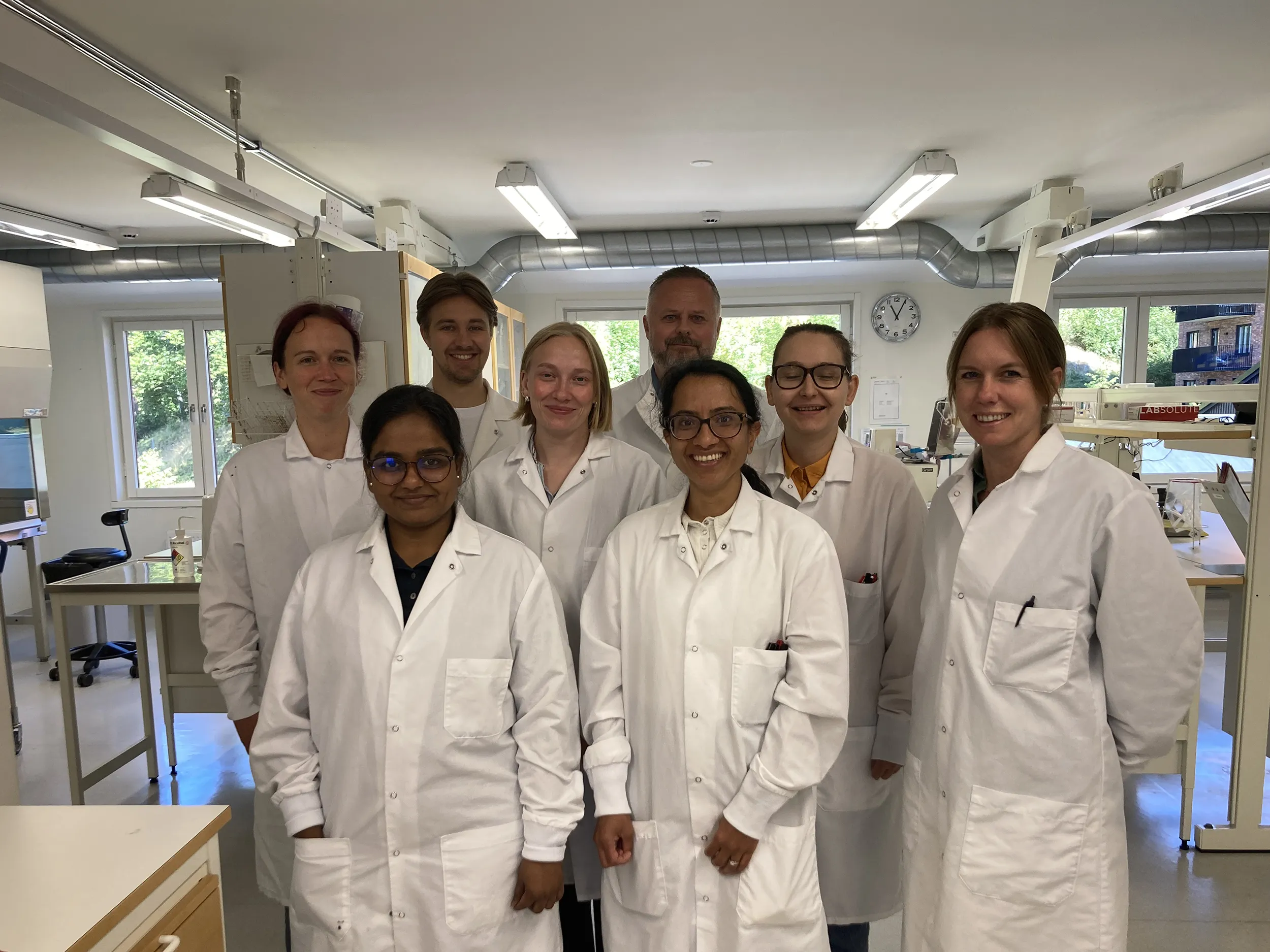
– The project is led by Alginor ASA, and at Essity we contribute with expertise, research, and laboratory capabilities.

Commercial Production
In Haugesund, where the macroalga Laminaria hyperborea is harvested using formaldehyde-free harvesting and extraction techniques, Alginor ASA is, as part of the project, building the world’s first fully integrated industrial biorefinery, with the ambition to scale up to commercial production by 2028 when the project is expected to conclude.
– Today, only about 15 percent of the biomass is utilized when algae are harvested, primarily alginate for cosmetics and medical use, but there are many other components in the algae that can be used for food or as superabsorbents in hygiene products.
– The goal of PROTEUS is to utilize 100 percent of the biomass without impacting marine life, which is ensured by Institute of Marine Research. Another unique aspect of the project is that no chemicals are used during harvesting.
PROTEUS is still in the development phase. By spring 2026, Essity has evaluated six different samples at laboratory scale, and additional samples will be analyzed during the year.
– There are compounds in algae with inherent absorption capacity, and the performance of the samples continues to improve. If upcoming samples demonstrate sufficiently high performance, the plan is to scale up the project from laboratory to pilot scale during 2026. The goal is to reach Technology Readiness Level 8, explains Morgan Swedberg.